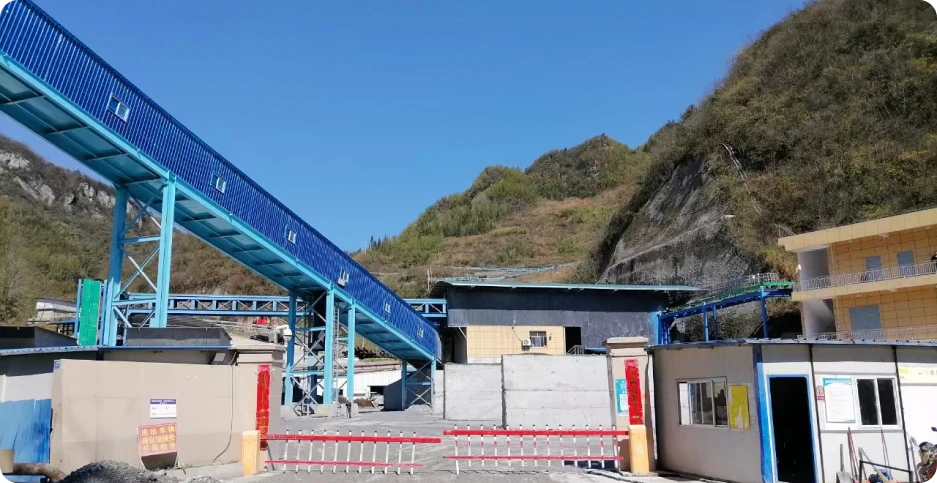
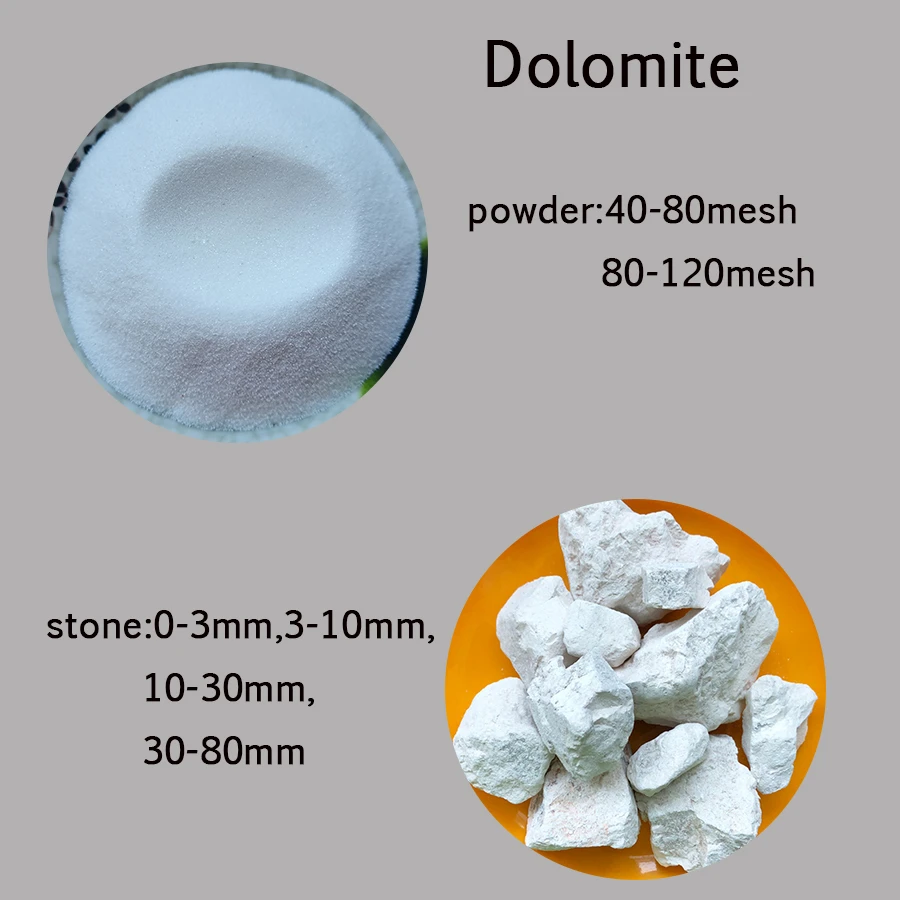
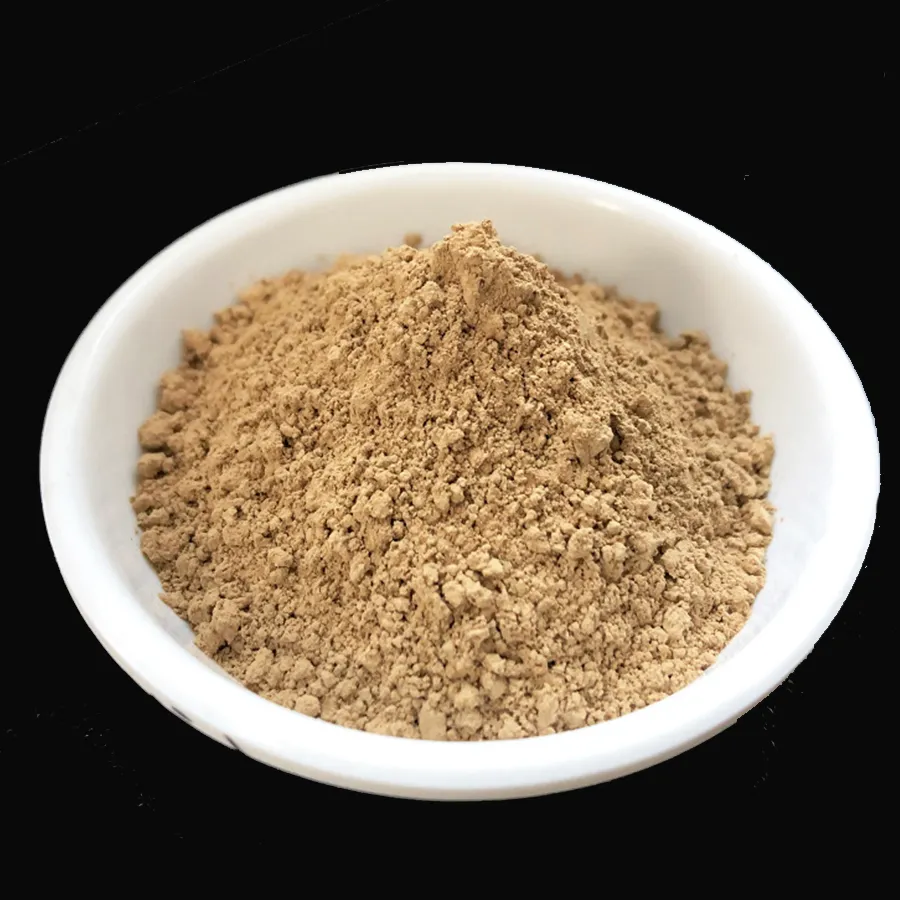
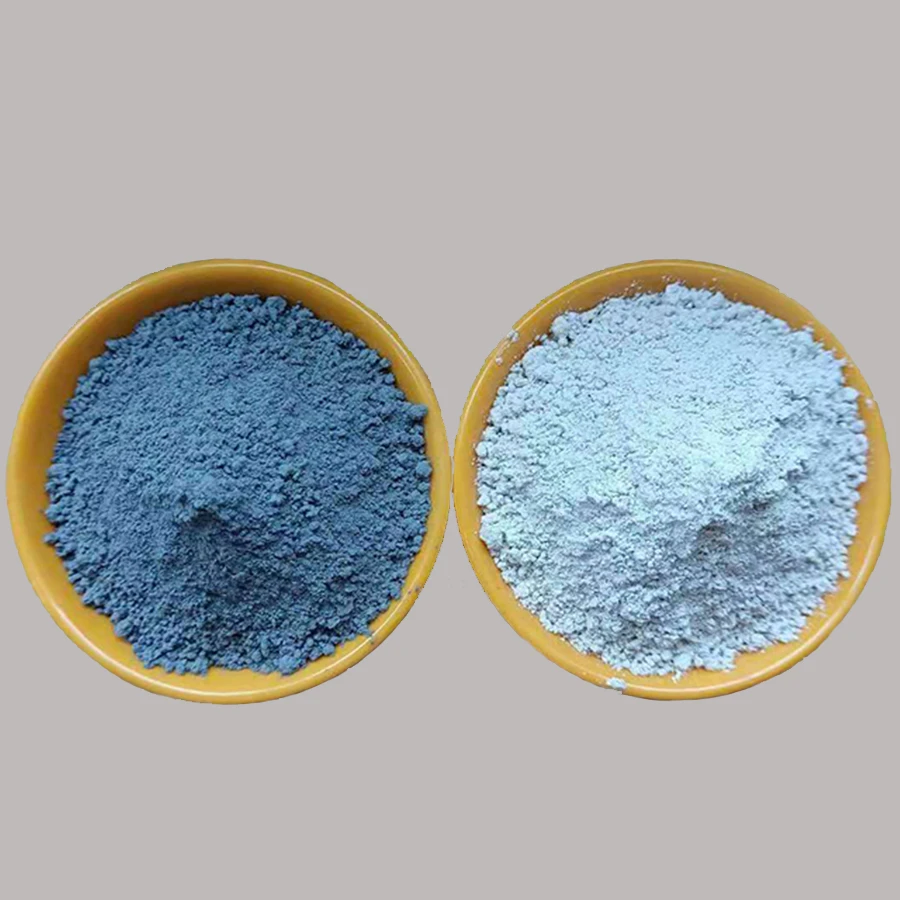
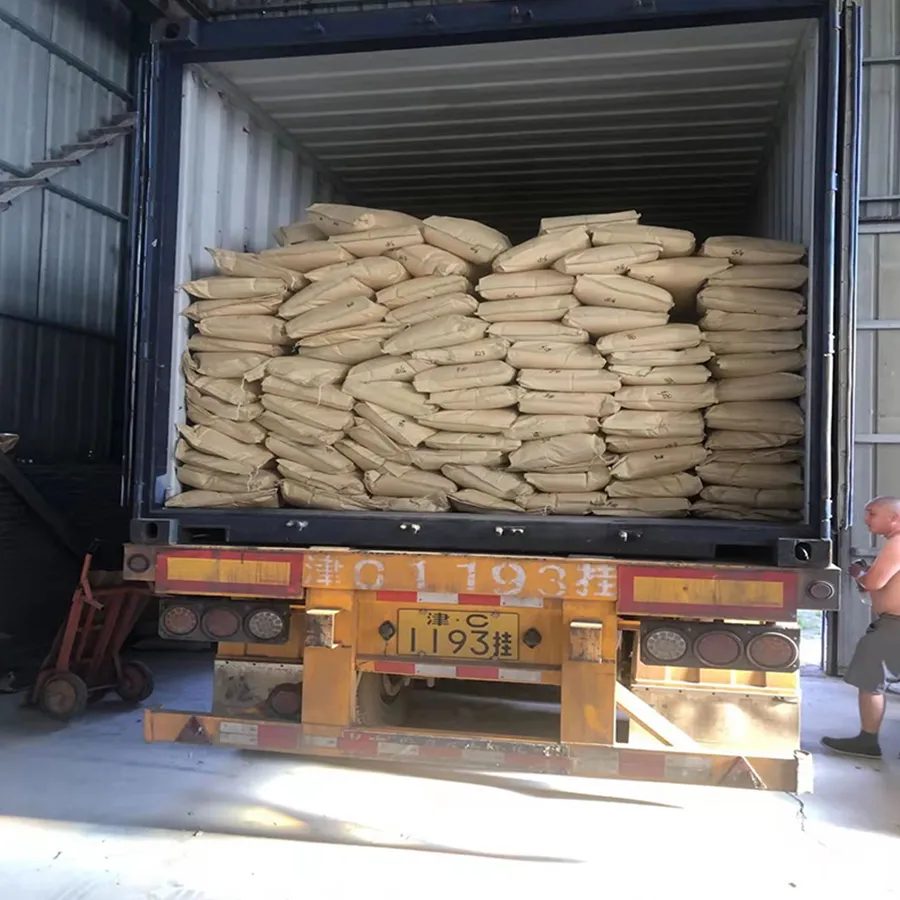
Field Notes on Spodumene Cas No.:66057-55-4 : specs, sourcing, and real-world performance I spent a wet spring morning in Lubai Mountain Village, South Yanchuan, Lingshou County (Shijiazhuang, Hebei). The drive in was rugged; the product wasn’t. The ore looked clean—honestly cleaner than I expected. That first impression stuck with me as I combed through lab sheets and customer notes for Spodumene Cas No.:66057-55-4 . What it is and why it matters This spodumene—available as powder or stone—targets a Li2O window of 4%–7% for ceramics, glass-ceramics, metallurgical fluxes, and (on request) conversion to lithium intermediates downstream. Color runs white to pale yellow, which many customers say is surprisingly consistent lot to lot. Origin traceability is tight: Lubai Mountain Village, Hebei, China. Product specification (typical, real-world use may vary) Parameter Typical/Range Li2O ≈4%–7% Form Powder (D50 ≈ 60–90 μm); Stone (10–80 mm) Color White / yellow Fe2O3 ≤0.8% (typical ≤0.5%) Moisture ≤0.5% on delivery Mineralogy Spodumene (α), gangue silicates; XRD-verified CAS 66057-55-4 Process flow (how it’s prepared) - Selective mining and primary crushing - Screening and dense-media separation; staged grinding - Flotation and magnetic cleaning (Fe control) - Optional calcination (α→β, 1000–1100°C) for downstream lithium conversion - Sizing to powder or stone; moisture control and bagging - QC: ICP-OES for Li, XRF per ASTM E1621 for oxides, XRD phase check; particle sizing per ISO 13320; moisture per ASTM D2216 Where it goes - Ceramics: frits, glazes, low-thermal-expansion bodies. One Foshan kiln operator told me shrinkage scatter dropped “noticeably” after switching to Spodumene Cas No.:66057-55-4 . - Glass-ceramics: lithium aluminosilicate systems for cooktops and optics. - Metallurgy: flux improving melt fluidity and energy efficiency. - Battery supply chain: as feedstock for β-spodumene acid-roast or alkaline leach (upon customization). Advantages noted in the field - Stable Li2O in the 4–7% band; easier recipe control. - Low Fe2O3 for clean color tones (ceramics folks love this). - Tight particle-size windows; fewer glaze defects and better melt. - Service life impact: glass-ceramic panels and kiln furniture show fewer thermal-shock events, according to two clients—anecdotal but consistent. Vendor comparison (shortlist I keep on hand) Vendor Li2O Range QC & Certifications Lead Time Notes Baifeng Mining (Hebei) 4–7% ISO 9001/14001/45001; ISO 17025-partner labs ≈2–4 weeks Traceable origin; consistent Fe control Generic Trader (import mix) 3–6% Varies; third-party COAs 1–6 weeks Price-driven; variable particle size Overseas Processor (calcined) 5–7% ISO 9001; in-house XRD/XRF 4–8 weeks β-phase ready for conversion; higher cost Customization and testing Custom sieving, low-iron lots, and β-calcined options are available. Typical lot data I saw: Li2O 6.2% ±0.2 (ICP-OES), Fe2O3 0.42% (XRF), LOI 0.6% (950°C). COAs are batch-linked; sampling per ISO 3082-style protocols. To be honest, the sampling discipline is what keeps variability in check. Case snippets - Tile glaze plant (Guangdong): lower pinholes after switching to Spodumene Cas No.:66057-55-4 ; line speed up ~3%. - Glass-ceramic panel maker: thermal-shock failure rate down from 1.8% to 0.9% month-on-month, same firing curve—modest but profitable. Industry trendline Demand is bifurcating: battery converters chase β-spodumene for higher recovery, while ceramics/glass keep asking for low-iron, stable-PSD α-spodumene. Prices—well, volatile—but supply chain scrutiny (traceability, ESG) is here to stay. Spodumene Cas No.:66057-55-4 with documented origin is, frankly, easier to qualify. Certifications and standards referenced ISO 9001/14001/45001; testing aligned with ISO 17025 labs; XRF per ASTM E1621; particle sizing ISO 13320; moisture ASTM D2216; XRD with ICDD reference patterns. Citations USGS, Mineral Commodity Summaries: Lithium (2024). ASTM E1621 – Guide for Elemental Analysis by WDXRF. ISO 13320 – Particle size analysis by laser diffraction. ISO/IEC 17025 – General requirements for testing and calibration labs.